



PAR2
Protease Activated Receptor 2 (PAR2) is a self-activated G protein-coupled receptor and a cell surface receptor for trypsin-like proteases[1][2]. Mechanistically, proteolytic cleavage exposes a tethered ligand, and PAR2 activation engages Gαq-mediated calcium release, MAPK/ERK1/2 signaling, NFκB, AP1, Smad2, and β-arrestin-related pathways[1][3][4]. In human kidney tubular epithelial cells, PAR2 activation induces TNF, CSF2, MMP-9, PAI-1, and CTGF, supporting inflammatory and fibrotic pathway studies[3]. In glioblastoma cell lines, PAR2, but not PAR1, increased VEGF secretion through MAPK/ERK1/2 rather than PI3K/Akt signaling, highlighting isoform-specific experimental relevance[4]. In epithelial barrier models, PAR2 activation impaired keratinocyte tight junction integrity and reduced claudin-1, occludin, and ZO-1 expression[5]. Compared with PAR1 and PAR4, PAR2 requires distinct ligand and pathway evaluation because ligands can signal through multiple PAR2 pathways[1]. For experimental applications, PAR2 agonist peptides, radiolabeled 2-furoyl-LIGRL-NH2, antagonists, antibodies, and pepducins help define receptor activation, binding, selectivity, and inflammatory responses[1][6][7].
References:
- [1]. Yau MK, et al. Protease activated receptor 2 (PAR2) modulators: a patent review (2010-2015). Expert Opin Ther Pat. 2016;26(4):471-83. [Content Brief]
- [2]. Sevigny LM, et al. Interdicting protease-activated receptor-2-driven inflammation with cell-penetrating pepducins. Proc Natl Acad Sci U S A. 2011 May 17;108(20):8491-6. [Content Brief]
- [3]. Vesey DA, et al. PAR2 activation on human tubular epithelial cells engages converging signaling pathways to induce an inflammatory and fibrotic milieu. Front Pharmacol. 2024 Jun 28;15:1382094. [Content Brief]
- [4]. Dutra-Oliveira A, et al. Protease-activated receptor-2 (PAR2) mediates VEGF production through the ERK1/2 pathway in human glioblastoma cell lines. Biochem Biophys Res Commun. 2012 May 4;421(2):221-7. [Content Brief]
- [5]. Nadeau P, et al. Activation of protease-activated receptor 2 leads to impairment of keratinocyte tight junction integrity. J Allergy Clin Immunol. 2018 Jul;142(1):281-284.e7. [Content Brief]
- [6]. Kanke T, et al. Binding of a highly potent protease-activated receptor-2 (PAR2) activating peptide, [3H]2-furoyl-LIGRL-NH2, to human PAR2. Br J Pharmacol. 2005 May;145(2):255-63. [Content Brief]
- [7]. Alshurafa HN, et al. A protease activated receptor-2 (PAR-2) activating peptide, tc-LIGRLO-NH2, induces protease release from mast cells: role in TNF degradation. BMC Pharmacol. 2004 Jul 20;4:12. [Content Brief]
-
PAR2 Related Products (27)
Related Products (27)

- 1
- 2
-
Trypsin
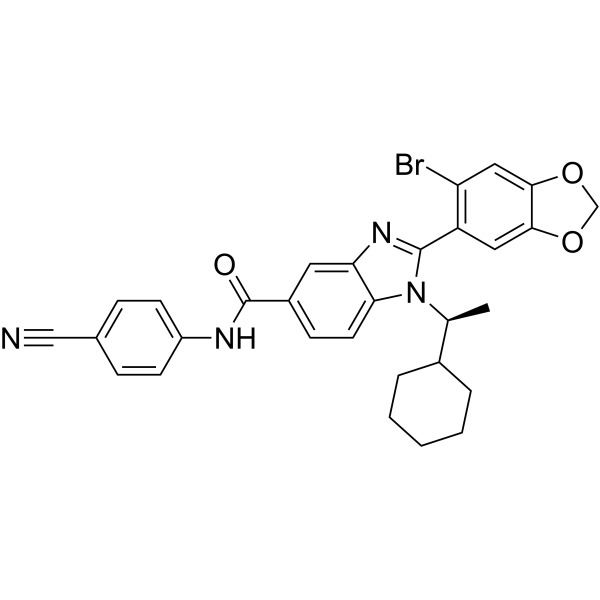
 0 ImagesTrypsin is a serine protease enzyme, and hydrolyzes proteins at the carboxyl side of the Lysine or Arginine. Trypsin activates PAR2 and PAR4. Trypsin induces cell-to-cell membrane fusion in PDCoV infection by the interaction of S glycoprotein of PDCoV and pAPN. Trypsin also promotes cell proliferation and differentiation. Trypsin can be used in the research of wound healing and neurogenic inflammation.
-
Trypsin (MS grade)
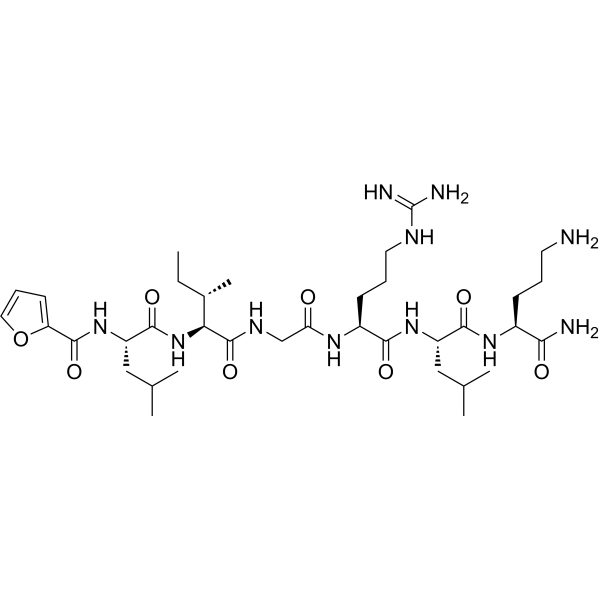
 0 ImagesCat. No.: HY-129047ACAS No.: 9002-07-7Trypsin MS grade is a serine protease enzyme, and hydrolyzes proteins at the carboxyl side of the Lysine or Arginine. Trypsin MS grade activates PAR2 and PAR4. Trypsin MS grade induces cell-to-cell membrane fusion in PDCoV infection by the interaction of S glycoprotein of PDCoV and pAPN. Trypsin MS grade also promotes cell proliferation and differentiation. Trypsin MS grade can be used in the research of wound healing and neurogenic inflammation.
-
FSLLRY-NH2
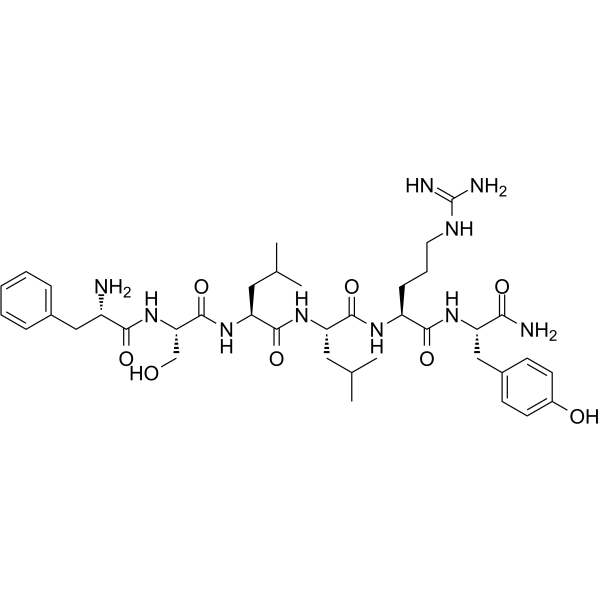 0 ImagesFSLLRY-NH2 is a protease-activated receptor 2 (PAR2) inhibitor.
-
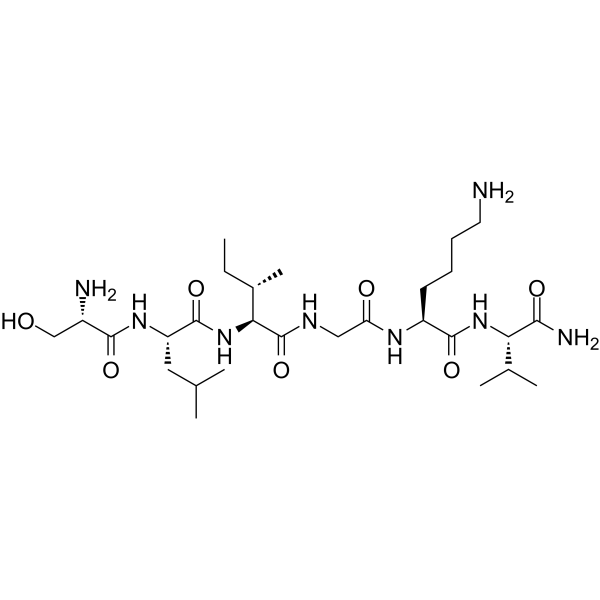
KLK5-IN-1
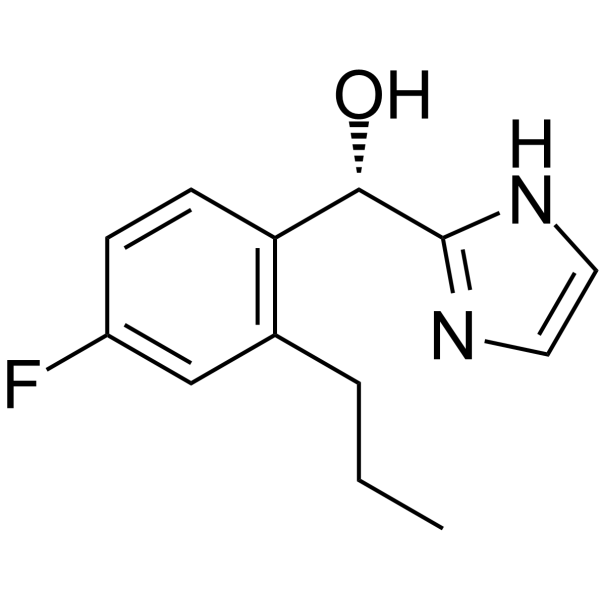
 0 ImagesCat. No.: HY-P11840KLK5-IN-1 is a selective kallikrein 5 (KLK5) inhibitor with an IC50 of 14 nM and a Ki of 11 nM. KLK5-IN-1 reduces KLK5-mediated PAR2-dependent calcium mobilization. KLK5-IN-1 improves epithelial barrier integrity. KLK5-IN-1 can be used in research related to atopic dermatitis and Netherton syndrome.
-
I-191
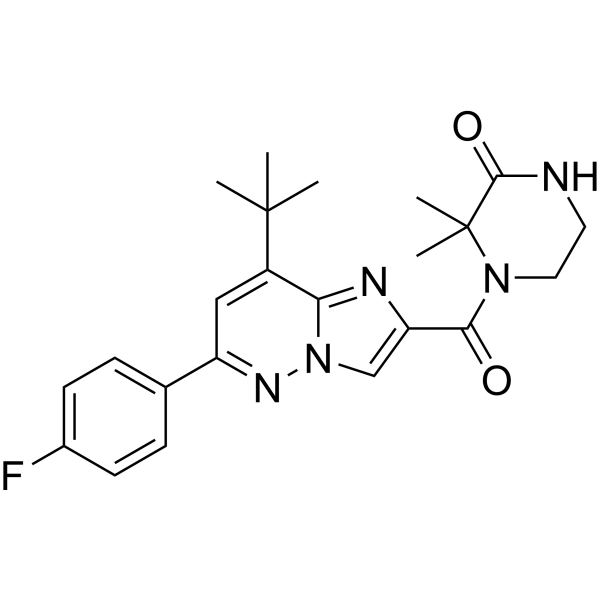 0 ImagesI-191 is a potent, selective protease-activated receptor 2 (PAR2) antagonist.
-
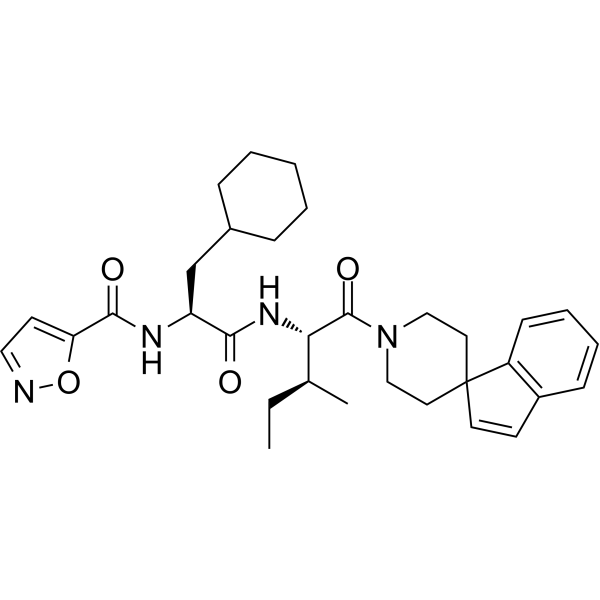
I-287
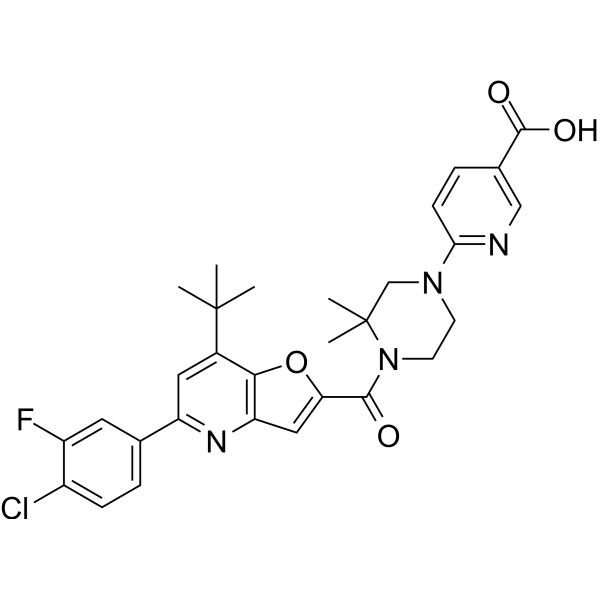 0 ImagesI-287 is a orally active selective PAR2 inhibitor that acting as a negative allosteric regulator on Gαq and Gα12/13 activity and their downstream effectors. I-287 reduces Complete Freund's adjuvant (HY-153808)-induced inflammation in mice and can be used for inflammation/immunology research.
-
GB-110 hydrochloride
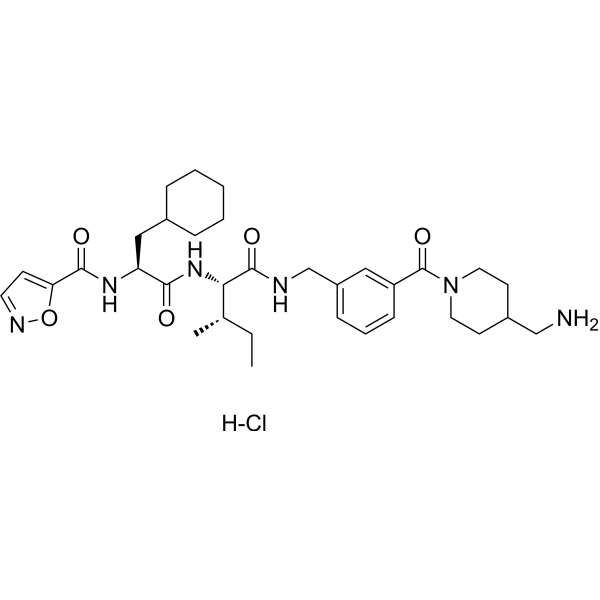 0 ImagesCat. No.: HY-120528APurity: 99.86%GB-110 hydrochloride is a potent, orally active, and nonpeptidic protease activated receptor 2 (PAR2) agonist. GB-110 hydrochloride selectively induces PAR2-mediated intracellular Ca2+ release in HT29 cells with an EC50 of 0.28 μM.
-
AC-55541
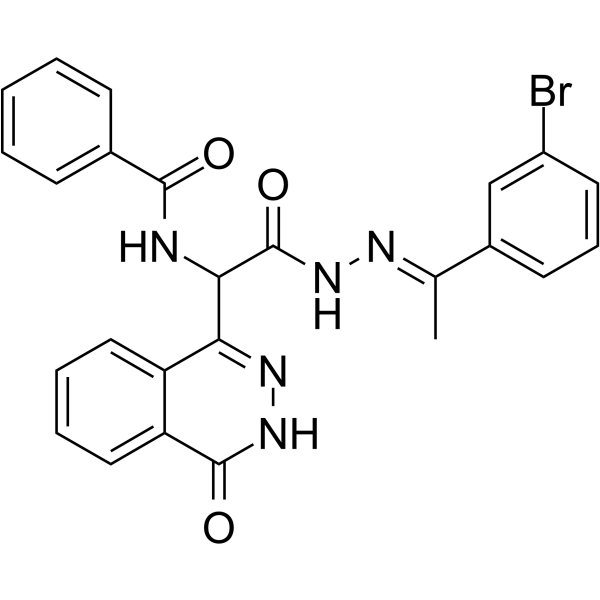 0 ImagesAC-55541 is a highly selective protease-activated receptor 2 (PAR2) agonist (pEC50=6.7), displays no activity at other PAR subtypes or at over 30 other receptors involved in nociception and inflammation. AC-55541 has pEC50 values of 5.9 and 6.6 in PI hydrolysis assays and Ca2+ mobilization assays and exhibits pronociceptive activity in vivo.
-
ENMD-1068 hydrochloride
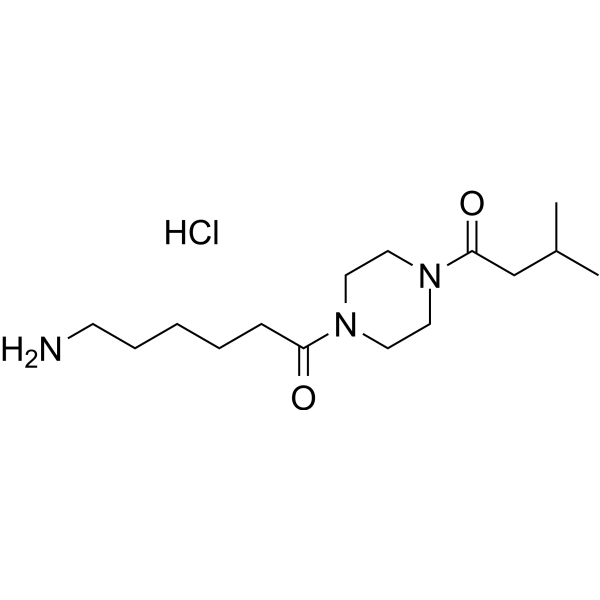 0 ImagesENMD-1068 hydrochloride is a selective protease-activated receptor 2 (PAR2) antagonist. ENMD-1068 hydrochloride reduces hepatic stellate cell activation and collagen expression by inhibiting TGF-β1/Smad signaling. ENMD-1068 hydrochloride also inhibits the proliferation of endometrial cells and induces apoptosis of epithelial cells in the lesion. ENMD-1068 hydrochloride can be used in the study of endometriosis and liver fibrosis.
-
VKGILS-NH2
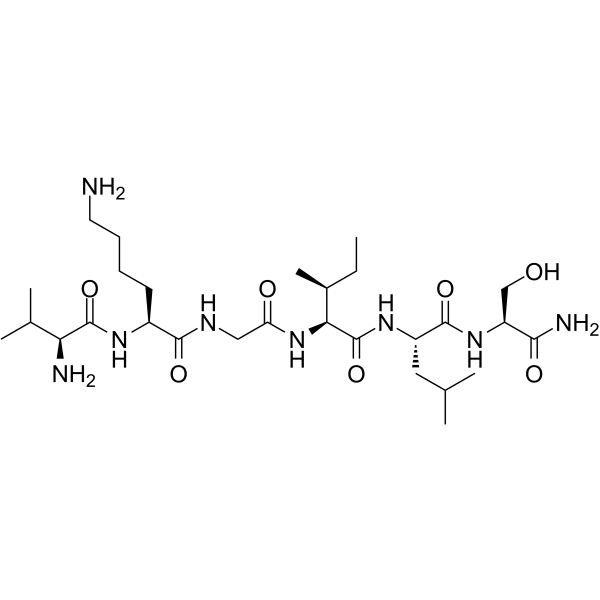 0 ImagesVKGILS-NH2 is a reversed amino acid sequence control peptide for SLIGKV-NH2 (protease-activated receptor 2 (PAR2) agonist). VKGILS-NH2 has no effect on DNA synthesis in cells.
-
FSLLRY-NH2 TFA
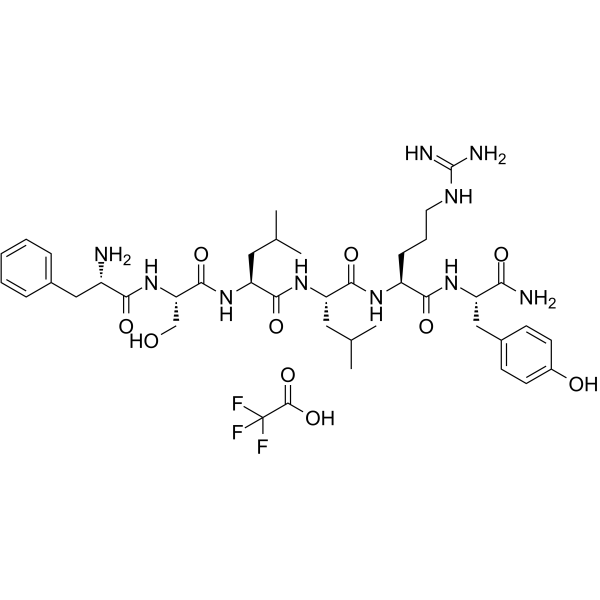 0 ImagesCat. No.: HY-P1260APurity: 98.97%FSLLRY-NH2 TFA is a protease-activated receptor 2 (PAR2) inhibitor.
-
PAR2 modulator-1
 0 ImagesPAR2 modulator-1 is a biased protease-activated receptor 2 (PAR2) inhibitor. PAR2 modulator-1 blocks the PAR2-dependent MAPK signaling pathway with an IC50 value of 8.5 μM, without altering the PAR2-dependent Ca2+ signaling pathway. PAR2 modulator-1 blocks pain responses induced by PAR2 agonists. PAR2 modulator-1 can be used in the research of chronic pain.
-
GB-110
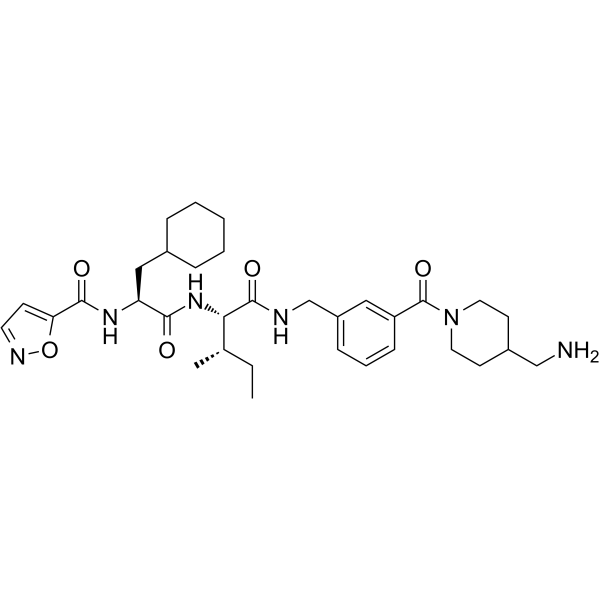 0 ImagesCat. No.: HY-120528CAS No.: 1252806-70-4GB-110 is a potent, orally active, and nonpeptidic protease activated receptor 2 (PAR2) agonist. GB-110 selectively induces PAR2-mediated intracellular Ca2+ release in HT29 cells with an EC50 of 0.28 μM.
-
AY77
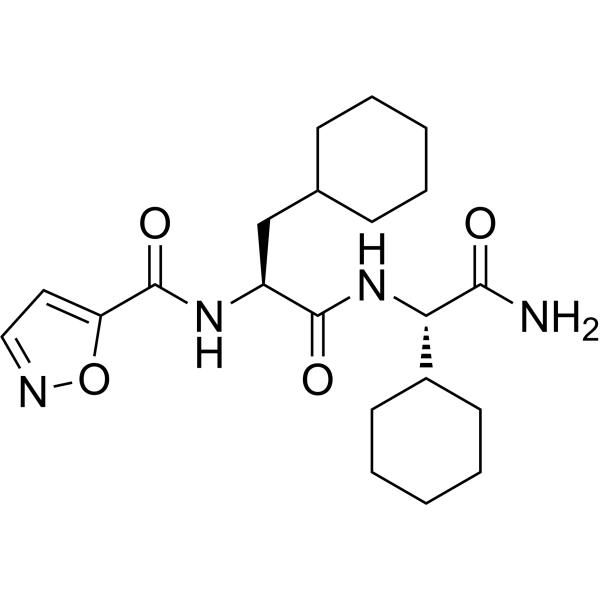 0 ImagesCat. No.: HY-138951CAS No.: 1835734-92-3
- 1
- 2



